Etsy banned AI patterns. The problem was never only AI.
Etsy's new policy is a step in the right direction. I'm still skeptical that it solves the problem.
It's hard to browse crochet patterns on Etsy without running into AI-generated content. And even after the policy update, a quick search for “crochet pattern” turns up top results I wouldn't trust as reliable instructions.
I'd feel more confident if the announcement came with evidence of a real marketplace change. One number would help: how many listings have been removed for violating the new rules? That would tell us more than an announcement alone.
Designers helped push for this change. GoSadi reported that Briana K, who has sold on Etsy as BrianaKdesigns since 2011, met with Etsy leadership in New York to discuss how copycats have hurt pattern writers. That advocacy matters.
Etsy's policy, follow-up, and explainer video are worth reading and watching.
The basic distinction is this: AI-generated functional instructions, including patterns, recipes, plans, and how-tos, are no longer allowed under the new rules. Instructions must be the seller's own work, and pattern listings must show a real result made from those instructions rather than a simulated one. Listings generated without meaningful human involvement are subject to removal. AI-assisted artwork can still be sold under certain conditions, including disclosure.
That's a meaningful line to draw. But it doesn't address the whole problem.
The policy doesn't fix the file
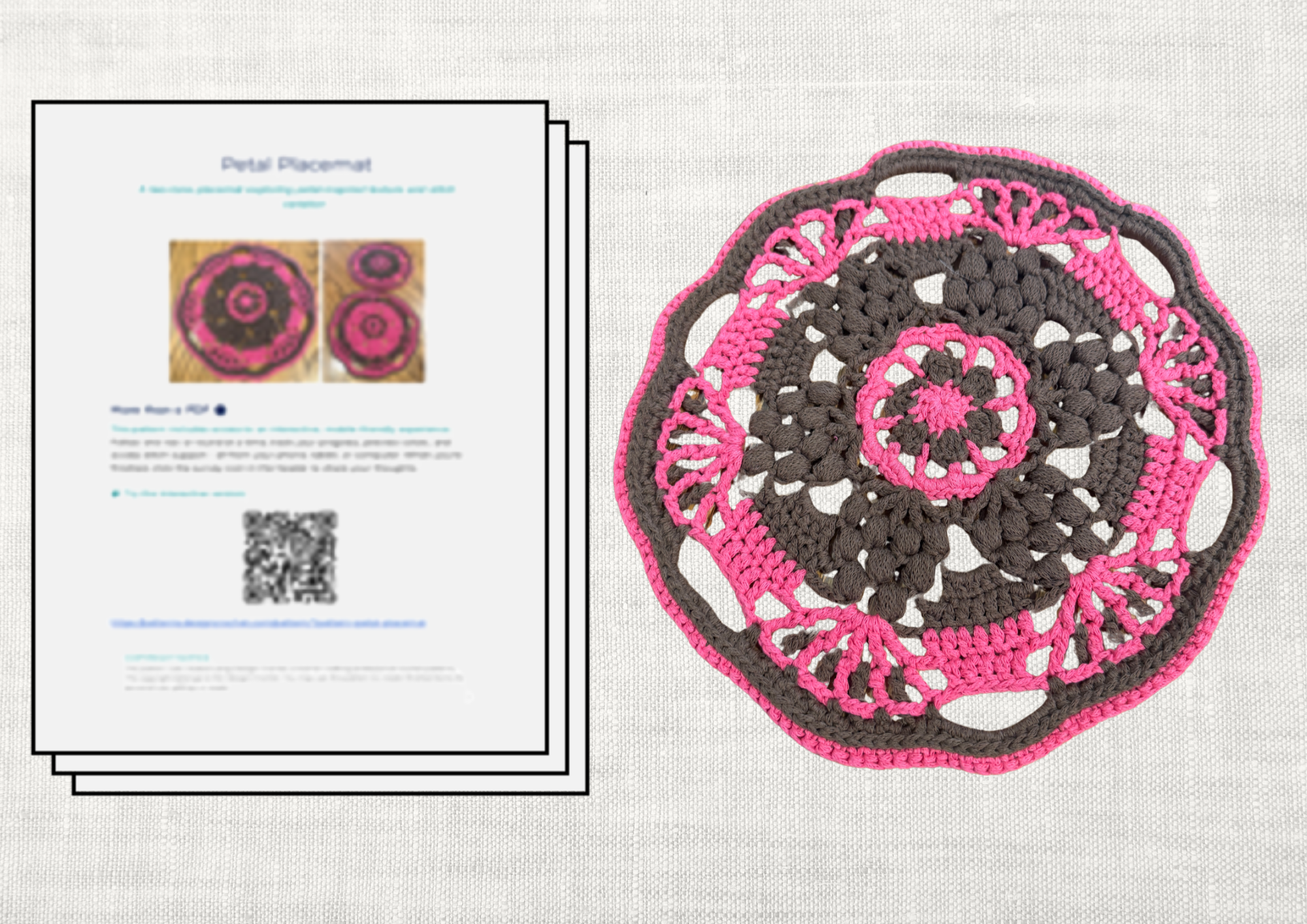
Even if AI-generated patterns disappeared from Etsy tomorrow, designers would still face the same underlying problem: a PDF is easy to copy, redistribute, and relist, and copyright offers limited practical protection against that kind of infringement.
The new rules may make certain scams harder. They don't eliminate the possibility that someone buys a pattern, uses an image of the real finished object, changes the background with AI, and republishes the instructions as their own.
The vulnerability isn't exclusive to AI. It's built into a business model where the primary product is a file that can be separated from its creator.
A pattern becomes harder to replace when there's value in the experience surrounding it. Not because the instructions become impossible to copy, but because the reason to choose a particular designer becomes more than access to the steps.
Patterns are recipes. The site around them is the business.
Think about recipes.
I can search for pesto and find dozens of recipes that are nearly identical. The ingredients and basic method aren't proprietary secrets. Most are free to access. So why choose one site over another?
The difference is often everything around the recipe: where to find the ingredients, how easily I can buy them, whether I can find a good pairing, what to do with leftover basil, or how the site helps me get dinner on the table.
My grocery store's recipe site is the one I use most. The recipes themselves are fine. The real advantage is that I can go from an idea to the ingredients I need in a few clicks.
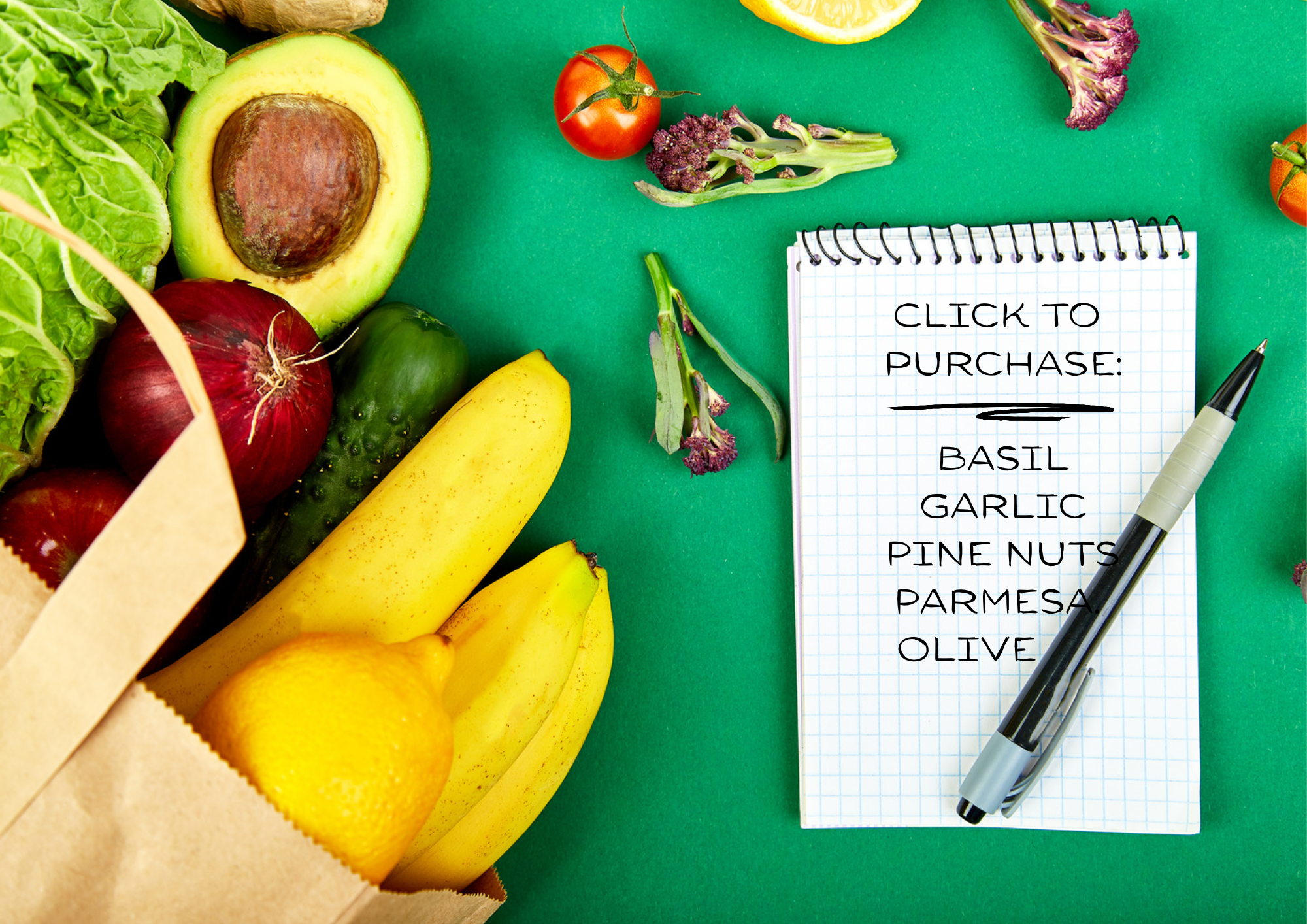
Finding a free recipe is useful. Having a recipe that makes my life easier is what keeps me coming back.
A PDF pattern is the pesto recipe. It's necessary, easy to duplicate, and not necessarily what makes a customer loyal to a particular source.
The opportunity is to build the equivalent of the grocery store around the pattern.
What that layer looks like
For a crocheter, it means being able to visualize a project before starting. Preview different color combinations. Follow the instructions on a phone without printing a PDF. Get help with an unfamiliar stitch without leaving the pattern to search for a tutorial, or flip through pages to find how a particular stitch is defined.
A short on tools that keep people in the craft.
For a designer, it means spending less time answering repetitive questions and more time designing. Tutorials live alongside the instructions. References are available when they're needed. The pattern can offer a more supportive experience without requiring the designer to reinvent the same resources for every release.
This isn't about making PDFs obsolete. PDFs are useful for printing, saving, and archiving, and many crocheters will always prefer them.
The question is whether the pattern has to be only a file someone can copy, or whether it can be a guided path from an idea to a finished piece, with value that extends beyond the instructions themselves.
Two ways to work with Design Crochet
I'm building Design Crochet around this idea. The goal isn't to take ownership away from designers. It's to give their work a more useful, interactive home while keeping the authorship where it belongs.
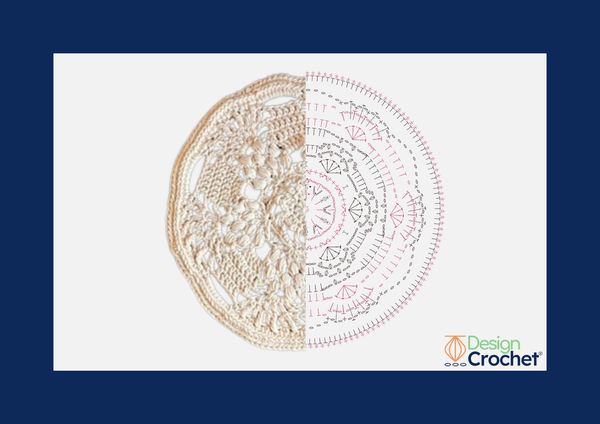
Start with the stitch diagram tool. It's live, and the images you create are yours to use. Try the diagram tool.
Or help shape the interactive pattern experience. Turning a pattern into an interactive version isn't a public, self-serve process yet, but I'm open to working directly with designers who want to explore it. You retain ownership of your work. I'll help promote it, and we can remove the listing at any point. If you're interested, get in touch and we can work out the details.
If you publish crochet patterns and are tired of competing with copies of your work, I'd love to hear from you. Whether you want to start with a chart you control or explore a richer experience around your patterns, this is the work I'm doing with designers.
Etsy's policy change was necessary. But the bigger opportunity is to build something more valuable than a file, and make sure the value and the authorship stay with the people who create the patterns.