Quiet power, a hook, and everyone’s grandmother
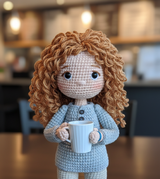
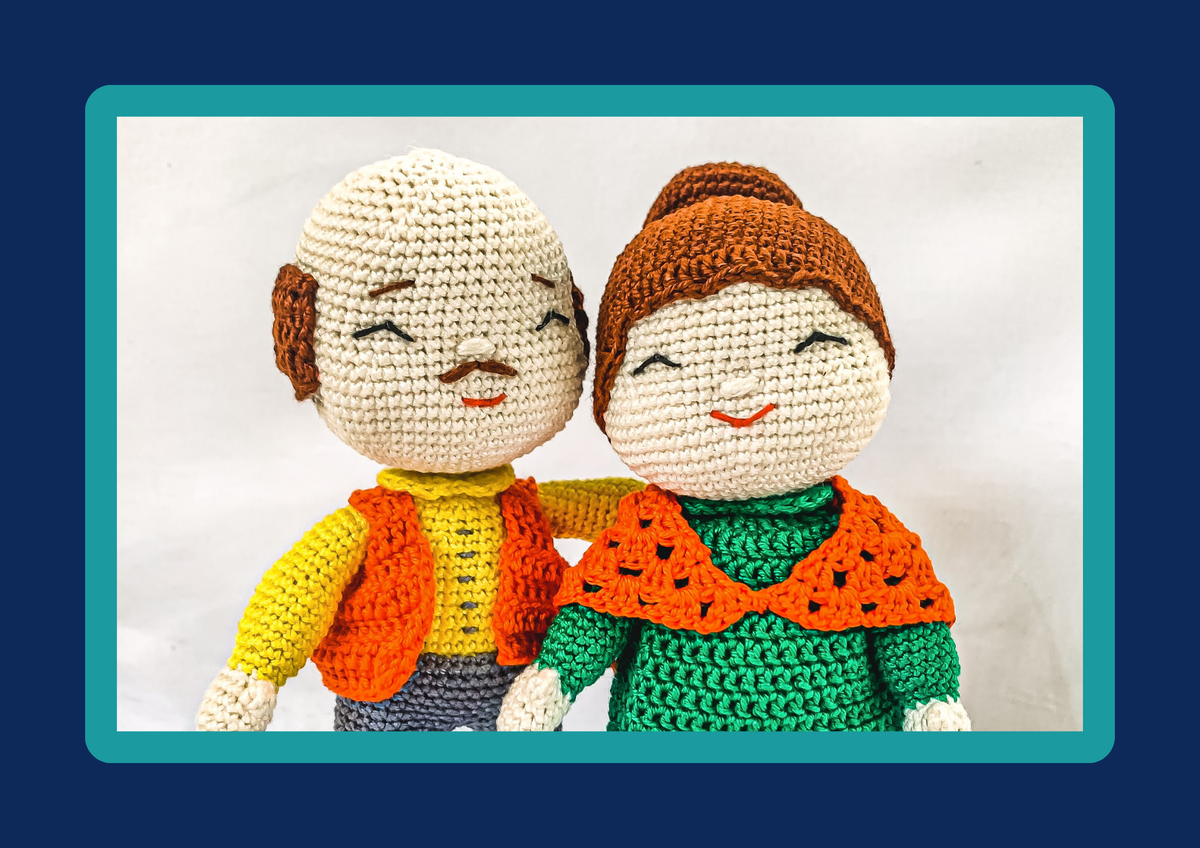
My grandmother could not sit still. She would sit in front of the TV with something in her hands: embroidery, handheld poker, or a crochet hook. As a kid, it never crossed my mind to ask why. It was just how she was.
She was a lady with quiet power. Standing a tall five foot one, she rarely spoke, but when she did, she had the room's full attention. In some ways she looked like a traditional grandmother: hobbies, cooking for the family, soft rituals that held a household together. She was also a business owner who knew as much about solving mechanics as her male counterparts. In her generation, plenty of people were too blinded by their own prejudices to notice.
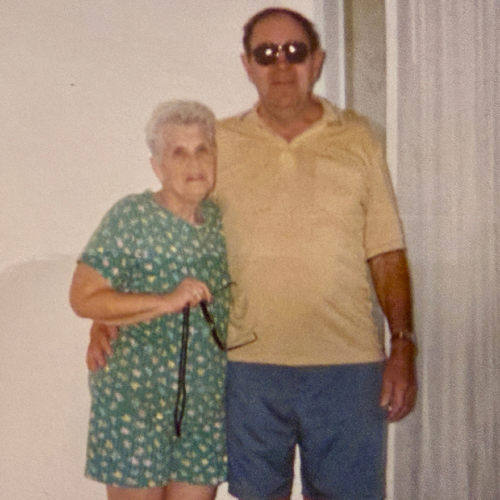
Men would call the RV dealership she co-owned and ask for the owner. She would politely say, “I am,” then bite her tongue and pass the phone to my grandpa when the voice on the other line said, “But I’m looking to talk to a man.”
Crochet, and the other crafts she kept in her hands, were where she found her voice. In a world where it was taboo to show emotion, she could pick up a hook and put feeling into the afghan she was constructing. It was how she expressed herself. It was how she showed love: something special, handmade, given to family.
As I get older, I think her story is the story of everyone’s grandmother. How hard these women worked for such little credit. How often they found a voice through fiber when spoken rooms would not hold them.
Finding my own quiet power
I have always used arts to express myself and to understand my emotions when I did not always have the words. With crochet, I discovered my own quiet power: a place where I can connect with my beloved grandma and solve complex problems in a beautiful way.
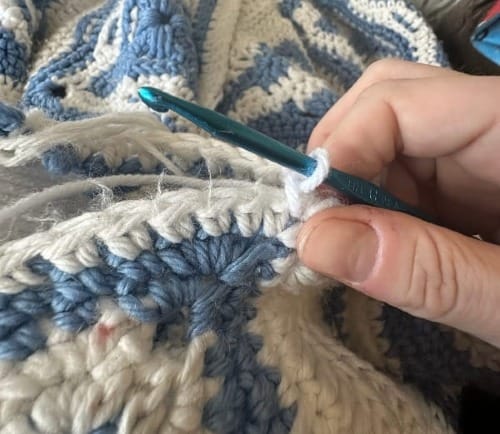
Design Crochet grew out of that place. Writing the user guide is where the language really came to life for me: how to articulate patterns and grammar in a way that honors the people who came before me, and also pushes the art forward by formalizing definitions for stitches that have stayed undefined for too long. Honoring and advancing at the same time.
That is one way of listening to her. There was another.
The afghan in Michigan
I went home to Michigan to visit my brother and nephews. On a couch, or folded somewhere in the house the way family textiles live, was one of grandma’s afghans. It had gone through the dryer too many times. Edges fraying. Soft places worn thin where bodies had loved it without knowing they were wearing down her work.
I bought yarn and sat with the broken parts. Matching color as best I could. Finding which loops still held and which ones had given up. Mending is slow: you are not making something new so much as learning the structure of what someone else already built, then deciding how to keep it from coming apart.
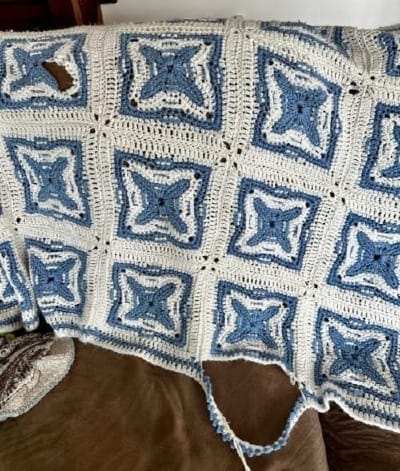
That is when I understood her in my hands, not only in my memory. She had spent a life putting feeling into fabric because spoken rooms would not always hold her. I was sitting in a quiet room, restoring the thing that had held her family. No speech required. Just attention. Just labor that says: I see what you made, and it still matters.
If she were alive, I think that would have been enough. Not a pitch. Not a company name on a slide. The knowledge that someone after her heard what the hook was saying.
Design Crochet is how I try to make that hearing available to other people: a practice where makers and designers can find a voice in this art and be taken seriously inside it. The afghan is why the work is not abstract to me.
What I want people to see
Changing the perception of this art matters because crochet is not only cozy. If people could see it through the lens of the female architect, they might understand something larger about the struggles endured by a minority voice: technical rigor dismissed as pastime, emotion dismissed as soft, labor dismissed as expected.
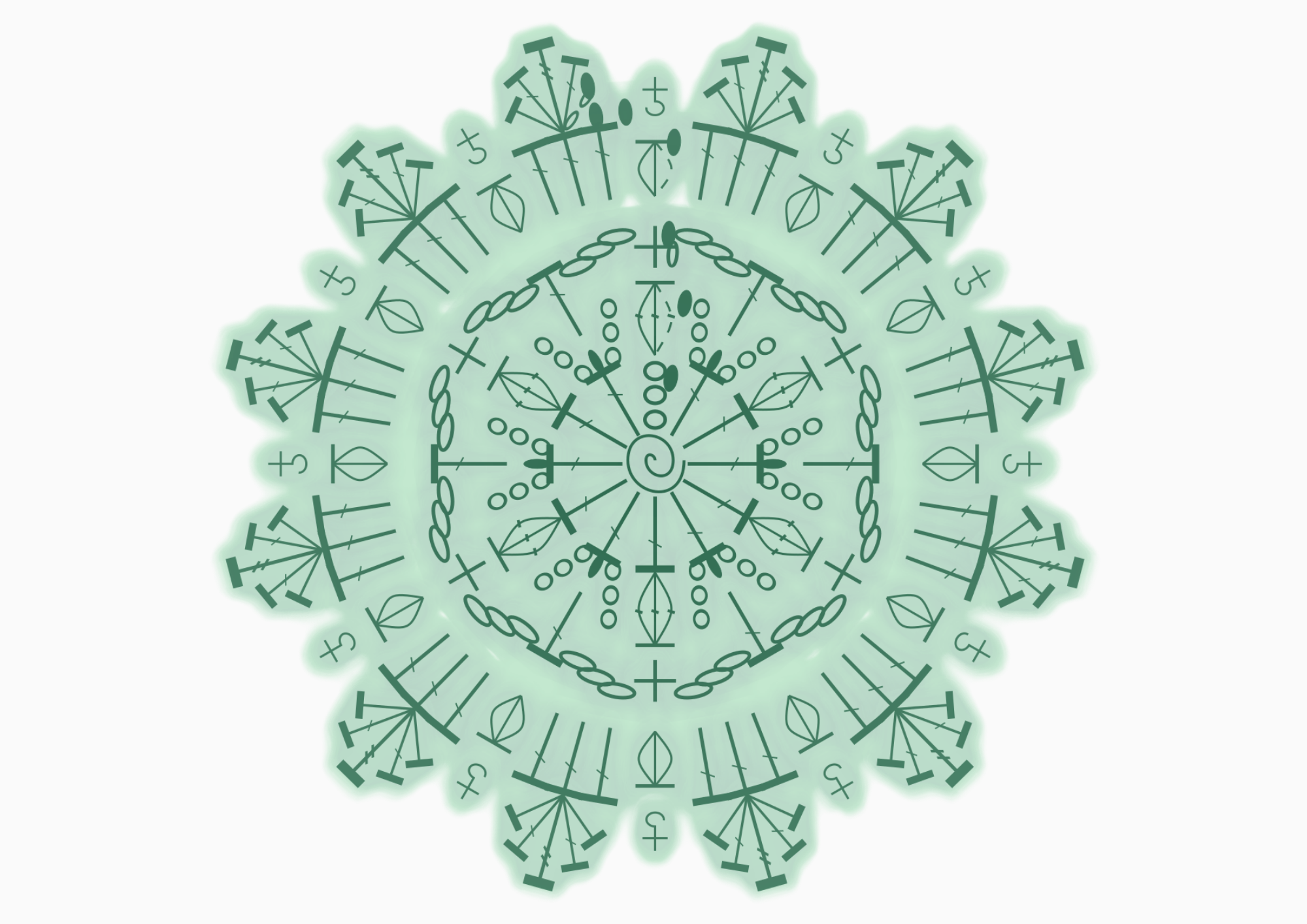
Maybe, just maybe, the cute little doily on the end table can be seen for what it is: an honored piece that embraces culture, history, passion, and technical rigor.
In a follow-up, I want to get more technical about that architecture: what is actually happening inside the fabric that the world still labels a granny hobby. For now, I am leaving you with a fraying afghan, a mended edge, and a woman who said “I am” into a phone that would not believe her.
That is why I build.
Ready to build? Try the workspace at Design Crochet and make your own charts.