The missing layer in most crochet tutorials
When I started talking to designers and makers about improving the crafting experience, I heard the same sentence over and over:
Crocheting is easy. Following instructions on a pattern is hard.
Not from one person. From almost everyone. Different voices, same wall.
That’s the gap this post is about; not whether you can yarn over, but whether the pattern and the tutorial actually show you where to put your hook and what to do to create the next stitch on this row, in your fabric.
Where we’ve been in this series
- In post #1, the medium fought you—PDFs built to share, not follow.
- In post #2, the map was in pieces—stitches from one place, patterns from another, special-stitch definitions that change designer to designer.
- In post #3, you could follow every row faithfully and still fly blind until the fabric caught up.
Following is compliance. Understanding is feedback. The missing layer is what turns one into the other—or at least closes the gap before you’ve frogged half a project.
If you’ve tried our interactive pattern library since then, you’ve seen how we’re collecting data on where makers actually stall. This post is the theory behind what we’re measuring.
What the missing layer actually is
Crochet has a language problem.
Shorthand makes patterns faster to read, but written instructions can turn into run-on math sentences. Even advanced crocheters get left in the dark when a pattern is words only—no visuals, no sense of where the hook belongs right now.
Charts and diagrams help, but they solve one problem by creating another: too many symbols and instructions crammed into a single image. Overwhelming for a different reason.
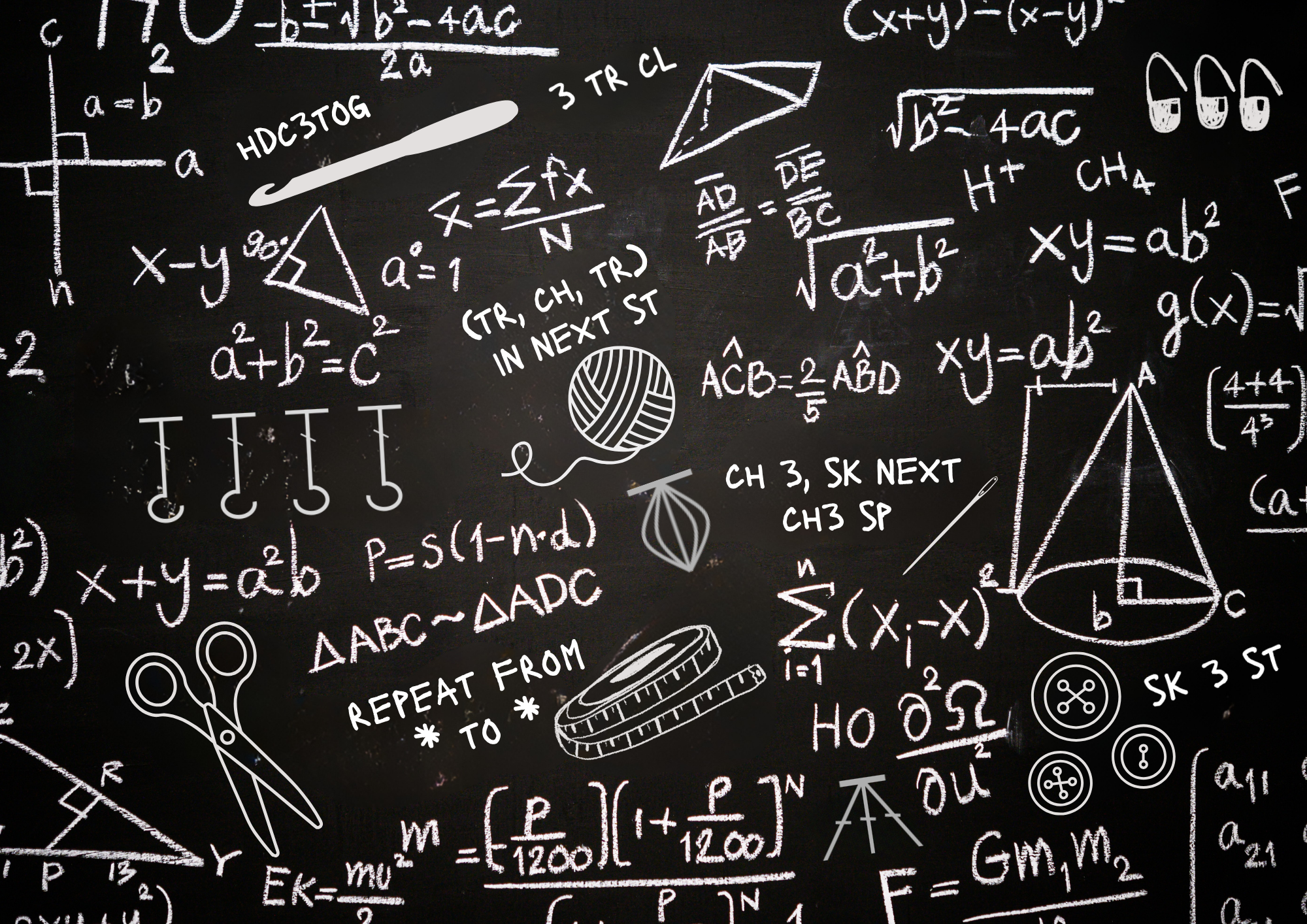
Most patterns and tutorials teach what to do. They rarely teach why - why this count, why this placement, why this technique on this row. So you follow blindly, missing the hidden message in the structure.
The missing layer: a clear way to see where your hook goes and what you’re building with the next stitch—not eventually, not after you’ve worked six rows, but at the moment you need it.
Why tutorials skip it
It’s not usually bad teaching. It’s hard production.
Before Design Crochet, row-by-row visuals that sit next to the written line you’re following - not on page 4 while you’re on row 9 - take serious effort to make. Most creators never had a tool built for that job. What exists elsewhere often means drag-and-drop busywork that doesn’t scale when you’re trying to publish patterns for a living.
So the industry learned a workaround: publish without them. Makers learned another: sit quietly and stitch until it clicks.
That’s how I learned hook placement: stubbornness. Watch, frog, watch again, until the motion matched the fabric. It works. It’s also a tax nobody talks about, and it’s not a curriculum.
When the same abbreviation means different things
Video tutorials can show placement beautifully. They also sit on top of a language problem that no single video can fix.
Take dc3tog - the double crochet two together. Sounds precise. It isn’t.
Some patterns use “together” language in the same neighborhood as "joined at top and base" instructions. Depending on the designer, that phrasing can point you toward a decrease worked into one base, or toward a construction that reads more like a puff or clustered stitch: multiple partial actions before you close. Same row. Same shorthand culture. Different hook paths.
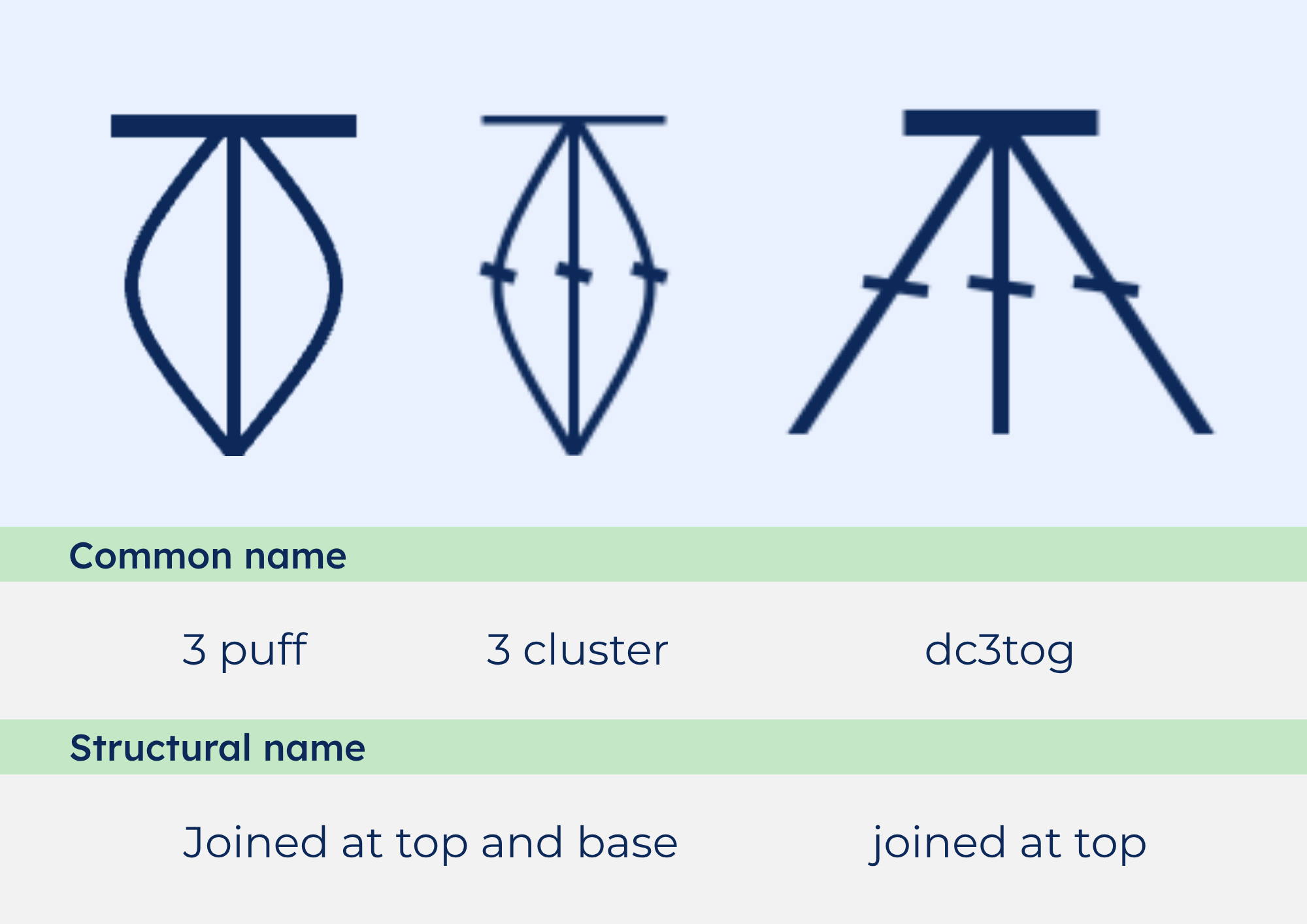
The confusion isn’t that one teacher is wrong and another is right. It’s that one name covers multiple constructions and when your only source is a written line or a chart symbol, you can’t see which one the pattern meant until the fabric agrees or doesn’t.
That’s the missing layer in miniature: without a visual tied to this definition on this row, you’re decoding vocabulary when you should be placing a hook.
Multiply that across shells, clusters, joined tops, and “special stitches” defined only inside one PDF. Designers respond by making their own explainers, which helps for their patterns and adds more definitions to an already noisy map.
Creators don’t need more videos. They need aligned visual + language at the row you’re on, with definitions that don’t reset every purchase.
What we’re measuring - not just what we believe
When the layer works, you’re not guessing which stitch in the chart matches the paragraph you just read. You’re not flipping between three views and hoping they agree. You see the row with written and visual together, and you can recreate it.
That’s the bar we’re building toward: diagrams that answer the question you’re actually asking at row 9.
We don’t assume we already know where makers get stuck. The interactive pattern library is an R&D surface for finding out:
- Which rows people pause on
- Whether row-aligned charts reduce that friction
- Whether stitch help in context changes completion—not in theory, in use
The one-minute survey in the header asks what you enjoy, what’s missing, and where following still feels hard. That feedback is how we decide what to improve next—not which feature sounds good in a pitch deck.
If crocheting is easy and following is hard, we need data on the hard part. Not more opinions about PDFs. Actual signals about where the hook placement layer breaks down.
Try a pattern. Note where you hesitate. Tell us. That’s the loop.
This isn’t an attack on tutorials
Tutorials are good at motions: yarn over, pull through, make a double crochet. They saved all of us.
They’re often weak at the layer between motion and fabric; reading what you’ve made, knowing if this row is right before the piece is six inches long, seeing structure instead of memorizing a script.
Naming that gap doesn’t mean every teacher failed. It means the default format wasn’t built for hook placement at scale. We’re building tools to learn where the gap shows up in practice - and we need makers and designers in that feedback loop.
Following tells you what to do next. The missing layer tells you what you’re building. Understanding tells you whether you’re still on the map.
Help us find where following breaks down
If this post named something you’ve felt, we invite you to try it - not in theory, on a real row.
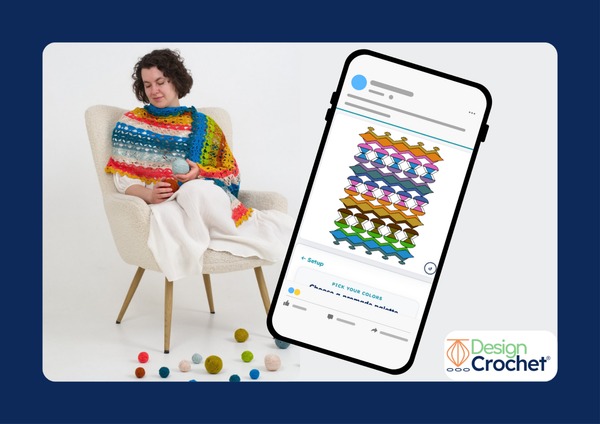
Chroma Remix Motif is free and small enough to finish in an evening. Follow a few rows. Notice where you pause: that hesitation is exactly the signal we’re trying to understand.
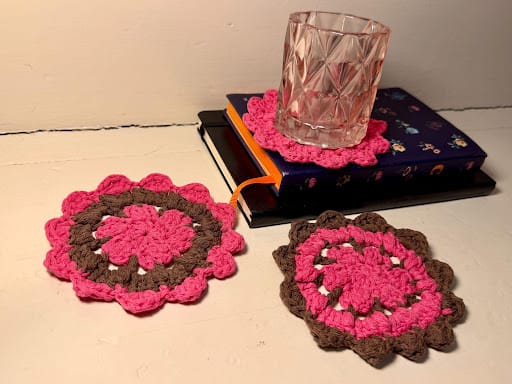
Then fill out the one-minute survey in the header: what helped, what didn’t, and what’s still missing when you follow a pattern.
We’re not looking for cheerleaders. We’re looking for honest notes from crocheters and designers who know that stitching is easy and following is hard.