How to Deliver More Value as a Crochet Designer
In an earlier post, I argued that a PDF is easy to copy, and that the opportunity for crochet designers lies in the value surrounding the instructions. This is the practical half of that idea.
A crochet pattern contains more than a sequence of stitches. It contains decisions about construction, materials, shaping, and technique. Some of that expertise appears in the instructions. Some of it gets lost when those instructions are reduced to shorthand.
The opportunity is to make that expertise useful to the person holding the hook.
You don't have to do everything. Start by identifying where a maker is most likely to get stuck, then find a better way through.
Make the instructions mean what they say
Consider dc3tog, an abbreviation many crocheters recognize. It can describe a three-double-crochet decrease, with incomplete stitches worked across three bases and closed together. It is also used for a cluster, with three incomplete double crochets worked into the same stitch or space and joined at the top.
Two tutorials can use the same abbreviation to demonstrate different constructions. One works across three stitches. Another works three times into the same chain-1 space.
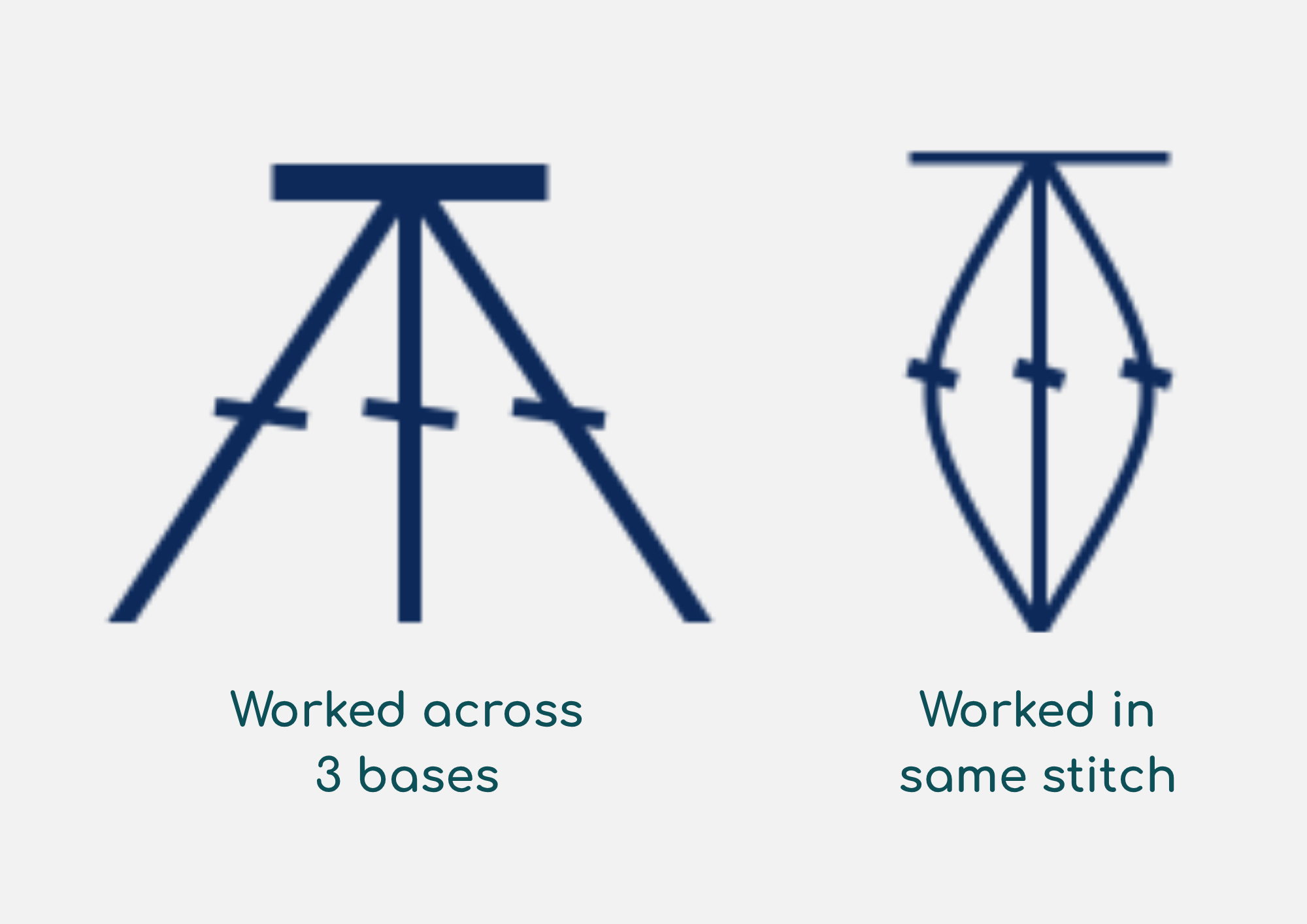
Neither tutorial necessarily teaches the technique incorrectly. The problem is that the abbreviation alone doesn't tell the maker which construction to use.
When researching terminology for the Design Crochet user guide, I kept coming back to this distinction: where a stitch begins matters just as much as how it ends. I use joined at top to describe stitches completed together, then specify the bases or spaces where they begin.
The goal isn't to introduce terminology for its own sake. It's to communicate the construction clearly enough that the maker doesn't have to leave the pattern, search for a video, and guess which version was intended.
A diagram showing the stitch in the context of the actual row can help, too. So can a short explanation placed beside the instruction where it's needed.
More information isn't automatically more value. More useful information is.
Bring words and visuals together
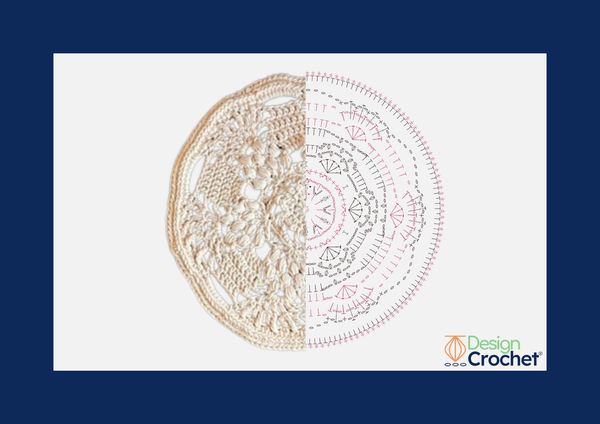
Crochet charts offer a visual way to understand stitch placement and pattern structure. But many experienced crocheters have spent years learning to follow written instructions without ever learning to read charts. Asking them to switch to a chart-only pattern can feel like asking them to learn a new language before they can start their project.
Traditional charting tools can present another challenge: the entire pattern appears as one large diagram. That's useful for seeing the overall design, but it can be difficult to connect a particular symbol to the written instruction being worked.
There's room for a middle ground. Keep the written instructions, and put the visual alongside them.
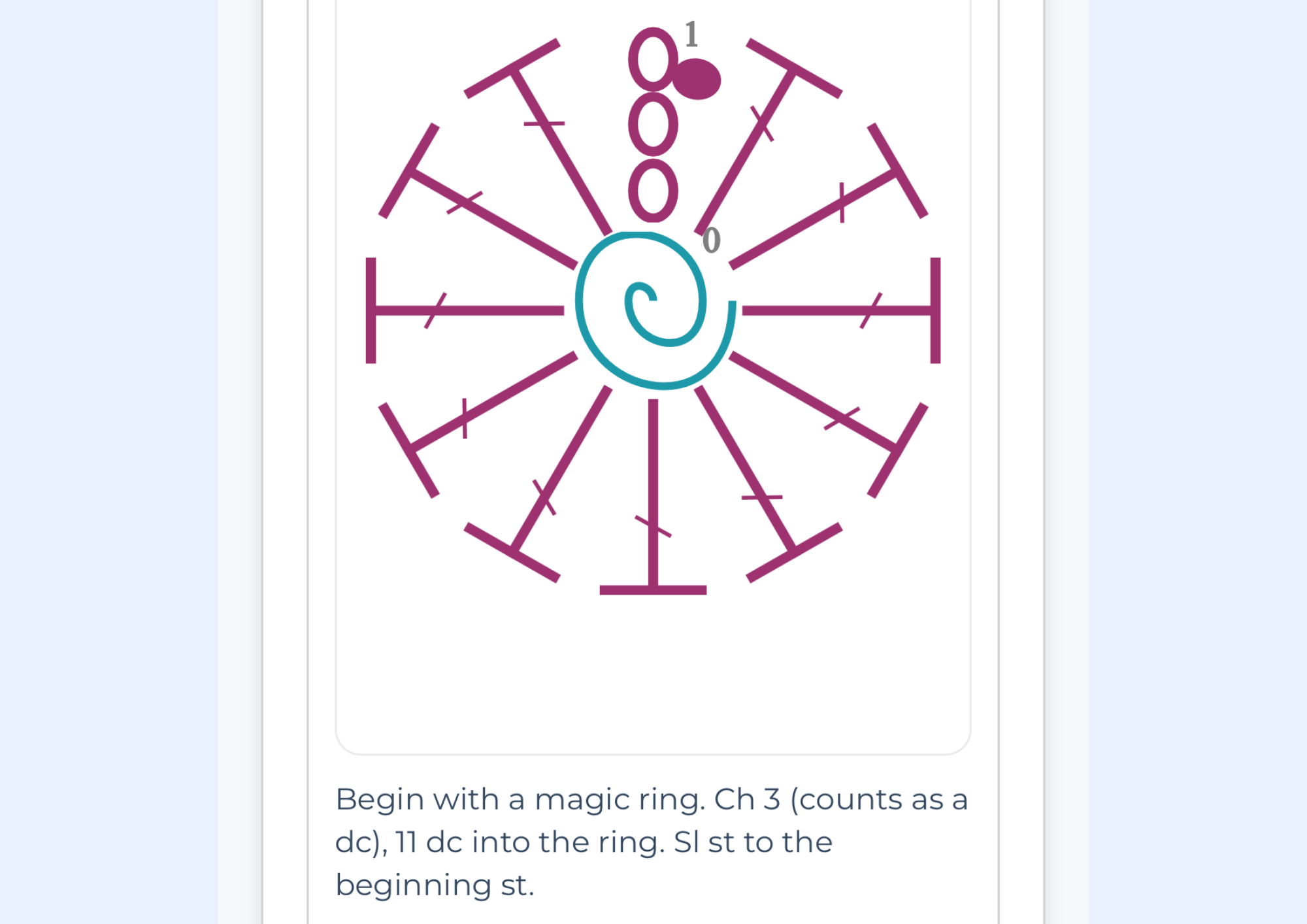
The maker can follow a familiar row of text while seeing how the stitches fit together. The chart doesn't replace the words; it helps explain them. Over time, that visual reference can also help makers become more comfortable reading charts.
The larger lesson applies beyond charts: when two forms of information help explain each other, the experience can be more useful than either one alone.
Help makers make informed decisions
The experience begins before the first stitch.
Will the yarn work? What will the colors look like together? How much will changing the yarn weight affect the finished dimensions? Is the construction manageable with the maker's current skills?
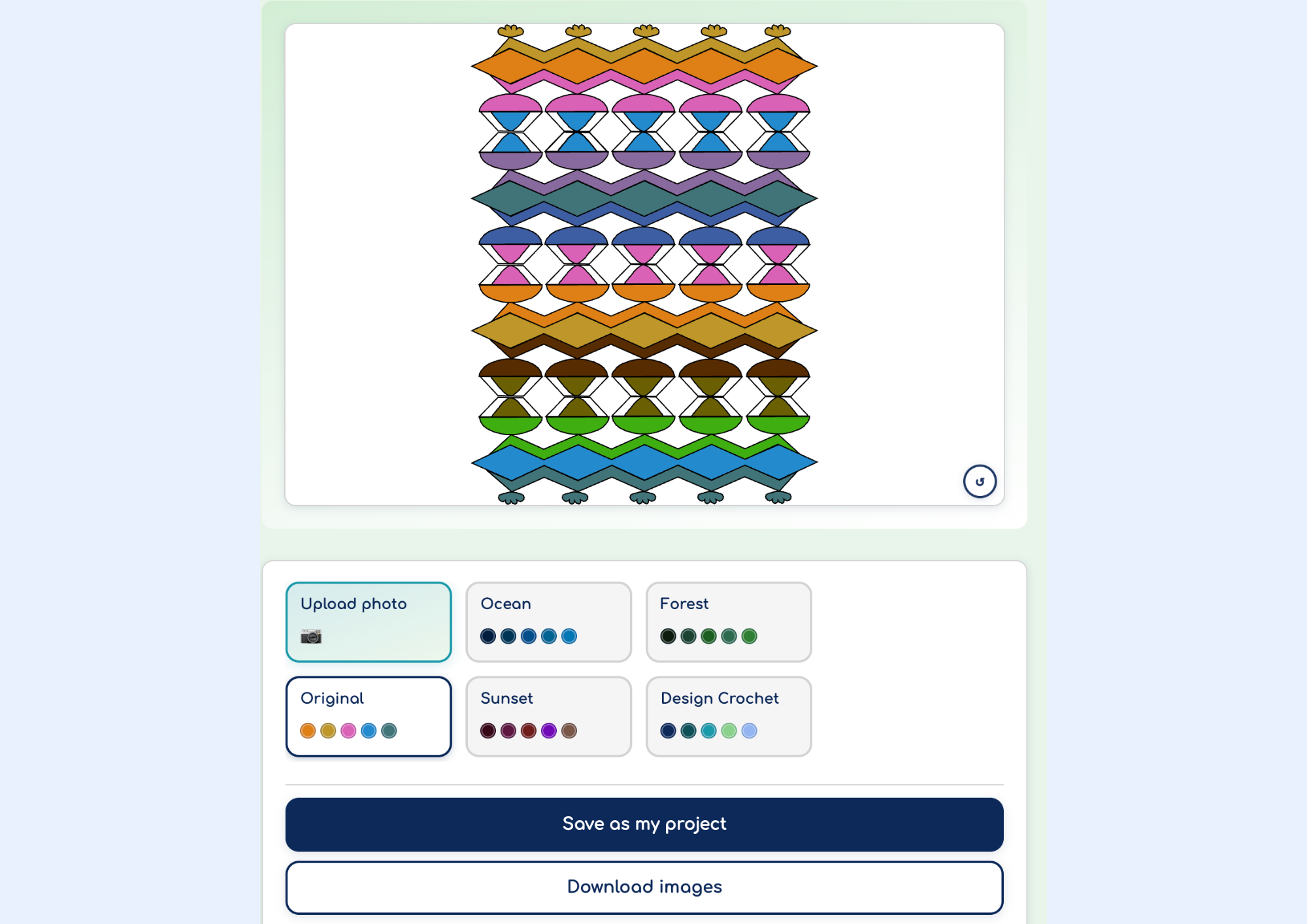
Designers can't anticipate every substitution or variation, and they don't have to. But a little well-chosen guidance can help someone decide whether a project is right for them and approach it with more confidence.
That might mean explaining how gauge affects the finished size, showing an alternative colorway, or providing a way to preview colors before choosing yarn.
These additions don't change the underlying pattern. They make the designer's knowledge more useful to the person deciding how to make it.
Put help where it's needed
What happens when a maker loses their place, encounters an unfamiliar stitch, or finishes a row that doesn't look like the photograph?
A designer can answer these questions individually, but that doesn't scale well. The alternative isn't to leave customers on their own. It's to anticipate common problems and make the relevant help easy to find.
A tutorial is useful. A tutorial linked directly to the stitch that needs explaining is even more useful. Written instructions and diagrams can reinforce each other. A progress tracker can make it easier to return to a project without counting rows from the beginning.
The distinction is between having resources available somewhere and making them accessible at the moment they're needed.
That benefits the designer, too. Better guidance can reduce recurring questions, while a smoother experience gives customers more reason to finish a project, recommend the pattern, and return for another.
One designer who publishes chart-based patterns through Design Crochet has noticed something telling: she can't remember the last time someone asked where to begin a row or which stitch to work into. Customer reviews frequently describe her patterns as “very clear,” “easy to follow,” and “very well written.”
She hasn't received much direct feedback specifically about the interactive experience, so this isn't proof that charts solve every problem. But it points to something worth paying attention to: when instructions communicate clearly, makers may be able to spend less time figuring out what to do and more time actually crocheting.
Choose one place to improve
None of this requires a complete overhaul of an existing pattern. Start with one and ask:
- Where might a maker have to stop and look for an explanation?
- What question comes up repeatedly?
- What information would help someone choose materials or colors?
- What part of the construction is difficult to understand from the instructions alone?
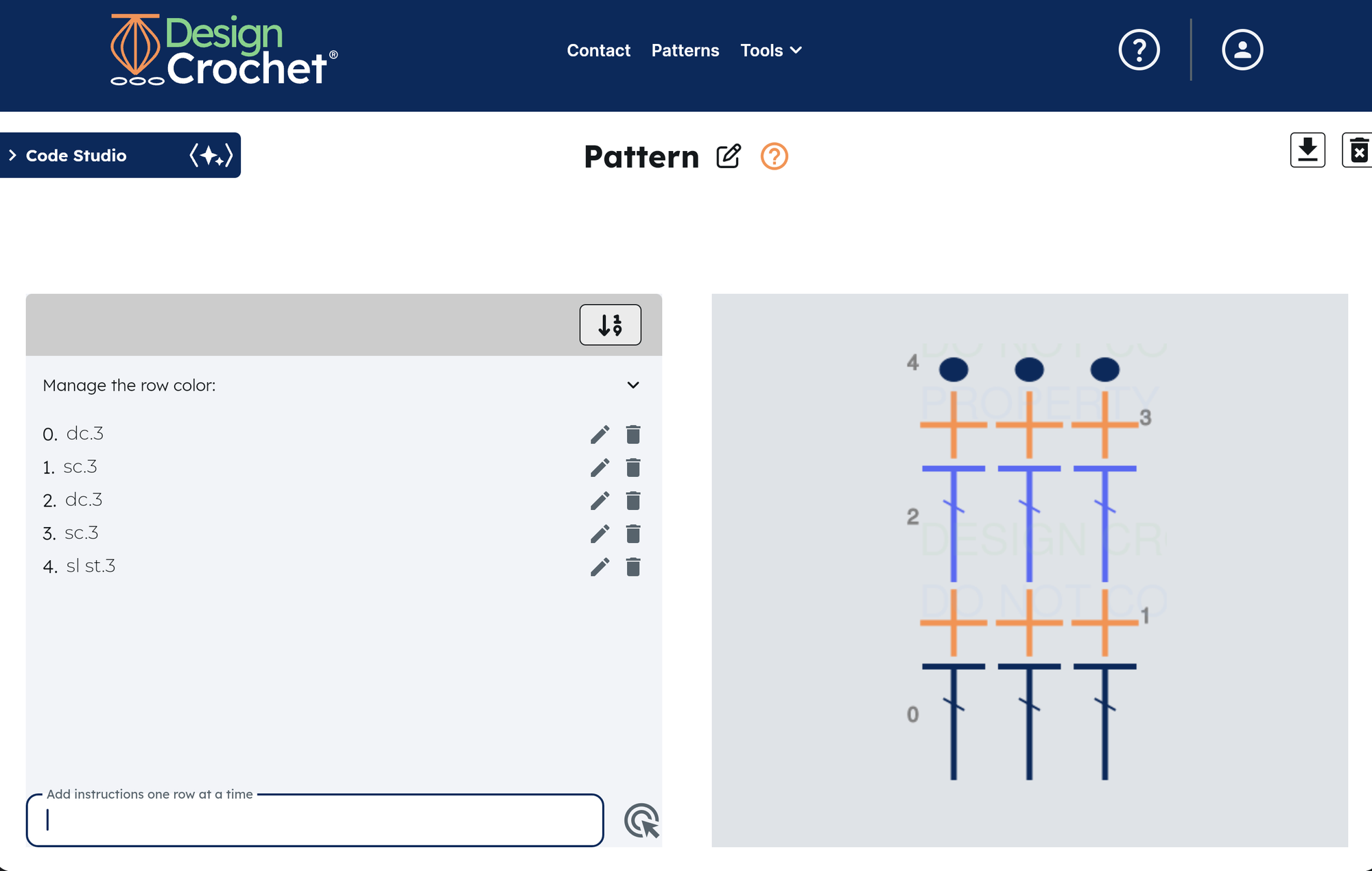
Choose one problem and address it. Add a diagram, clarify an abbreviation, link a tutorial, or explain a likely substitution. Then see whether the change makes the pattern easier to follow.
The point isn't to create more work for designers. It's to make the work already going into a pattern more useful to the people who buy it.
A better pattern experience can help a designer stand out in a crowded marketplace. When customers know they can rely on the instructions, find help when they need it, and enjoy the process of making, there's a reason to return that goes beyond the next finished-object photo.
A place to start
This is the thinking behind Design Crochet. I'm interested in ways to make crochet patterns easier to understand, customize, and follow without taking ownership away from the people who design them.
The stitch diagram tool is live, and the images created with it are yours to use. Try the diagram tool.
I'm also open to working directly with designers who want to explore interactive versions of their patterns. That experience isn't self-serve yet, but the goal is to make instructions more useful while keeping authorship with the designer. Get in touch to discuss a collaboration.
A pattern doesn't have to become something other than a pattern. But the expertise behind it can do more than sit in a file.
That's an opportunity worth exploring.