Interactive patterns are live - and I need your help shaping them
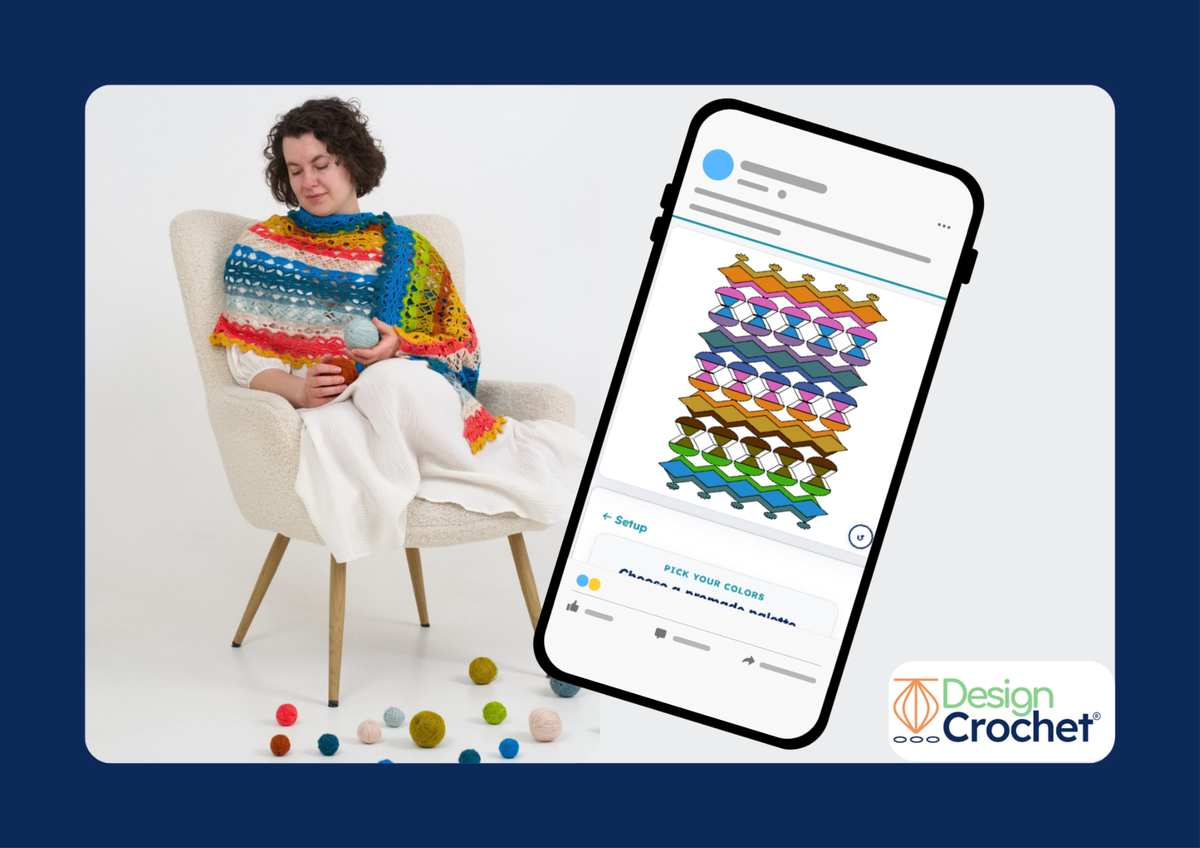
At H+H, I demoed interactive patterns for a local indie dyer: someone who crochets seriously and knows the industry from the inside.
I walked them through the full experience: building their own colorway into the pattern so it looked like their yarn, not a generic sample. How they could market it with a postcard, a QR code, something a customer could pick up in the shop. Then the making side: one row at a time, visuals and instructions on the same screen, a way to keep your place without losing it in a PDF.
Their response: "You're doing God's work."
I don't think they meant the technology. I think they meant: finally, someone sees it differently.
The gap I didn't have language for until that demo
Crochet has a steep learning curve, not because the stitches are impossible, but because the resources are fragmented.
Tutorials are hard to find. Every designer rewrites the same content instead of building on shared material. It's inefficient, and it doesn't push the craft forward the way it could.
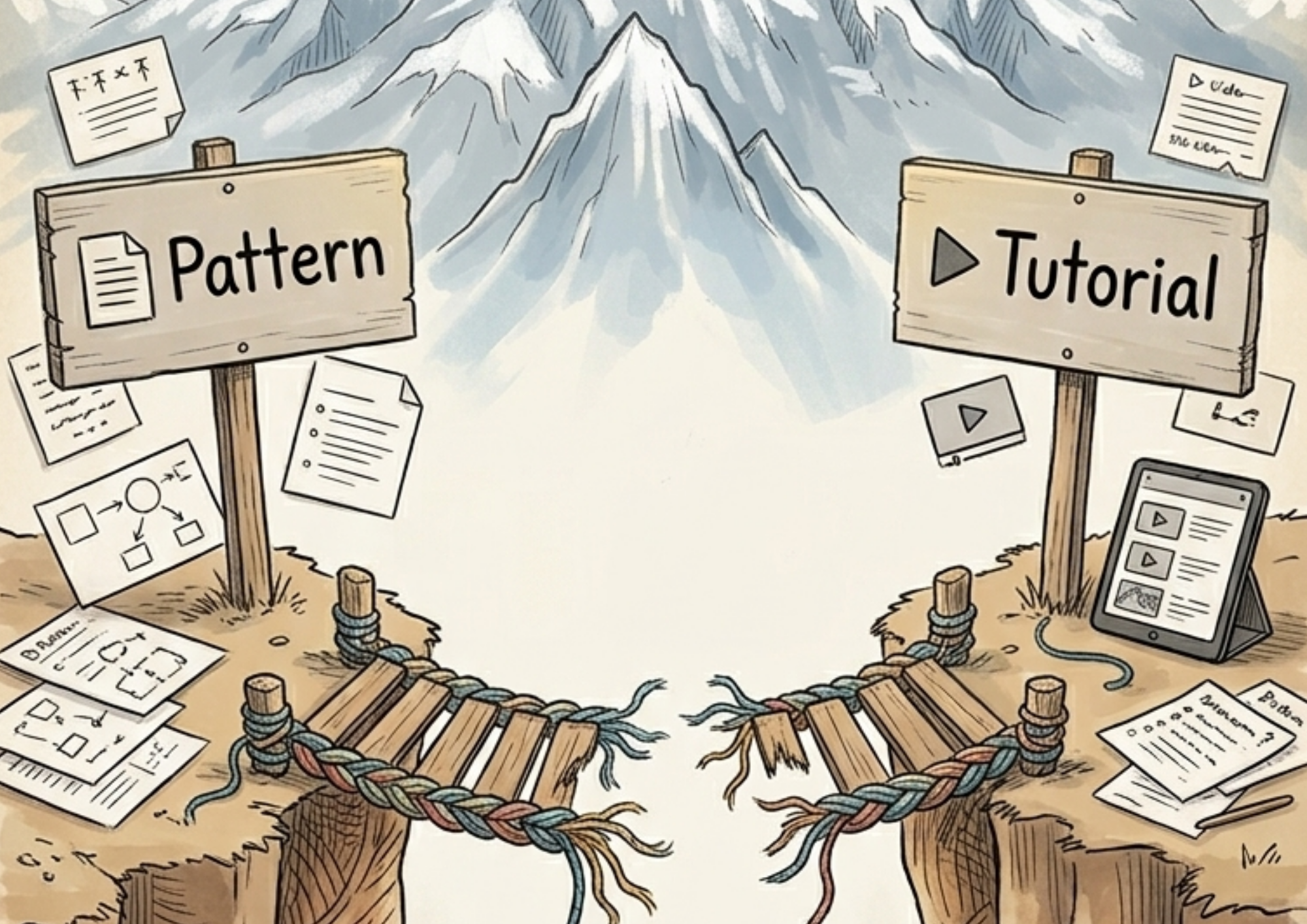
But the demo surfaced something bigger: the gap between design and materials.
Large yarn companies can afford in-house design teams or contracted patterns. Most smaller producers, like indie dyers, can't. They're starving for a modern way to connect their yarn to a project a customer can actually picture, follow, and finish.
That's what the dyer was reacting to. Not a prettier PDF. A way to sell yarn through the making experience.
Where this fits in the series
If you've been reading along:
- Post #1: PDFs are built to share, not to follow.
- Post #2: Most of us learn from scattered pieces, not a connected path.
- Post #3: You can follow every row faithfully and still fly blind until the fabric proves you right (or wrong).
This post is the other side of that story. We've put a first version live. It's R&D, not a finished product. But it's real, and you can try it today.
What we built (and what we're still learning)
We're not trying to replace PDFs - at least not yet. They're still how most of us buy, save, print, and archive patterns. What we're testing is a support layer while you make: row-by-row screens, visuals and instructions together, color planning, stitch help where you're stuck: not three tabs and a prayer.
Interactive patterns can bridge the gap between written instructions and the help makers need along the way.
Every pattern in the library also has a PDF on Ravelry as a backup. The format you already know, if you prefer print or offline. For paid patterns like Hue Shift, the PDF is how you purchase; the interactive version unlocks via a link inside it. For free patterns like Chroma Remix, you can start in the interactive version without buying anything and the PDF is there if you want it.
There may be bugs. Features will change. What we need most is to understand which parts actually matter to the people who want this, and which parts we haven't built yet.
Start with Chroma Remix Motif (free)
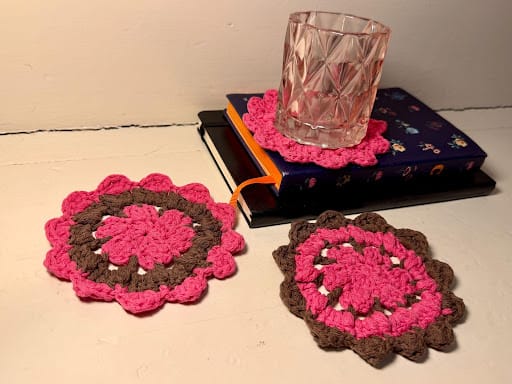
Chroma Remix Motif is free and deliberately small—a coaster-size motif you can finish in less than an hour.
That's intentional. It's a lightweight way to learn the layout: how rows advance, how instructions and visuals sit on the same screen, how the pattern keeps track of where you are. No purchase required. No commitment to a shawl's worth of yarn before you know if this workflow fits how you crochet.
If you've never tried an interactive pattern, start here.
Then try Hue Shift — design your colorway first
Hue Shift is a shawl pattern—the kind of project where color choice actually matters. It's for sale on Ravelry and Etsy, but you can test colorways for free at patterns.designcrochet.com.
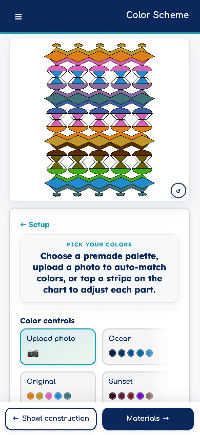
Here's the flow:
- Open Hue Shift on the pattern library.
- Design a colorway in your yarn colors to see the project before you cast on.
- If you purchase the pattern (PDF on Ravelry or Etsy), the PDF includes a link to unlock the full interactive version. Follow row by row in the palette you designed.
This is the experience I showed the dyer at H+H: their yarn, their colors, their customer holding something that feels made for them: not a generic photo from someone else's stash.
Hue Shift is also be featured for the Maine Yarn Cruise - one example of how interactive patterns could work for events and shop-specific colorways. More on that as we learn.
Coming next: a free cowl
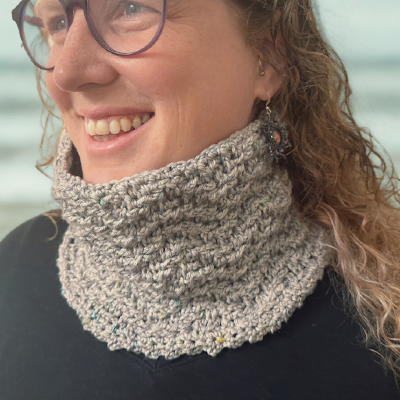
We're finishing our first cowl pattern. Still lightweight, but slightly more complex than Chroma Remix. It will be free, like Chroma, so you can sample the interactive format on a small garment-style project and help us understand how larger pieces feel in this layout.
What I need from you
Visit patterns.designcrochet.com. Try Chroma Remix. Design a Hue Shift colorway. Follow a few rows. Then fill out the survey in the header—it takes about a minute.
Tell us:
- What you enjoy most about these patterns
- What you wish you could do that the pattern doesn't yet have
- Whether you'd use this alongside PDFs, instead of them, or not at all (honest answers welcome)
We're looking for quotes, feature priorities, and gut reactions from crocheters, designers, dyers, and shop owners. You don't need to have used Design Crochet before, just tell us what would make this genuinely useful.
There will be rough edges. That's the point of building in the open. I'd rather learn what's missing now than ship the wrong thing quietly.
Try the library. Design a colorway. Tell us what to build next.