Why following a pattern isn’t the same as understanding it
I’ve been crocheting long enough that I don’t think of myself as someone who “just follows the pattern.” I want to understand what I’m making.
And yet - a mosaic cowl almost broke me.
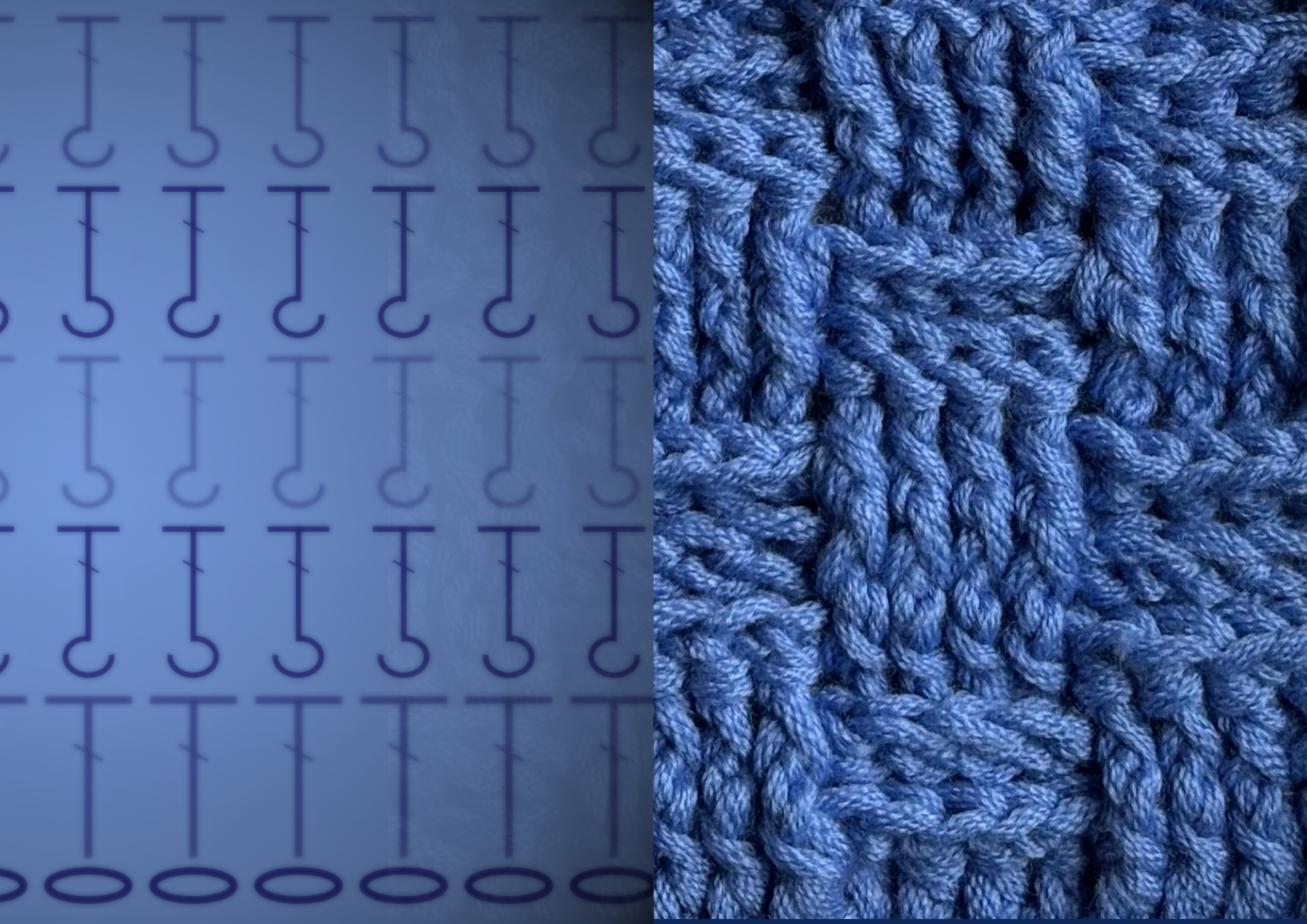
The pattern wasn’t missing information. It had written rows and a chart. I wasn’t failing at the basics. I was failing at alignment: the chart didn’t line up with the row I was working, my black-and-white print erased the color cues, and the stitches that spanned rows forced me to guess where the yarn and hook belonged until I’d worked far enough to see if the fabric looked right.
I wasn’t stuck because I didn’t try. I was following faithfully, and still flying blind until the piece finally clicked.
Where we’ve been in this series
In Why patterns are stuck in PDFs, I argued that PDFs are built to be shared, not followed - especially on a phone, where flipping between chart and text costs you your place and your calm.
In Why-crochet-education-feels-fragmented, I talked about the map: stitches from one blog, patterns from another, yarn from somewhere else, special-stitch definitions that change designer to designer.
This post is about what happens when you walk that fragmented map anyway - row by row - and still can’t see the territory.
Fragmented education hands you pieces of a map. Following the pattern is walking the path one row at a time, even when you still can’t see where you’re going.
Following vs understanding
The difference sounds subtle. It isn’t.
| Following | Understanding |
|---|---|
| Executing row N as written | Knowing what the fabric should look and feel like at row N |
| Trusting that chart symbols match the words | Knowing why the yarn goes in front or behind here |
| Frogging when something “looks wrong” | Catching drift before several rows are wrong |
| Finishing the object | Being able to explain—or adapt—the structure |
Following is compliance. Understanding is feedback. You can comply with every instruction and still not have feedback until the fabric is far enough along to judge.
That gap is where hours of frogging live.
The mosaic cowl: when both chart and text still weren’t enough
The cowl was mosaic crochet - two working colors, alternating every row. Experienced crocheter, complete pattern, chart and written instructions.
And still: stitches that spanned rows down, forward, and back. Yarn in front of the work vs behind it. Hook forward, between the two colors, or all the way to the back. None of it was impossible- but none of it was visible at the moment I needed it.
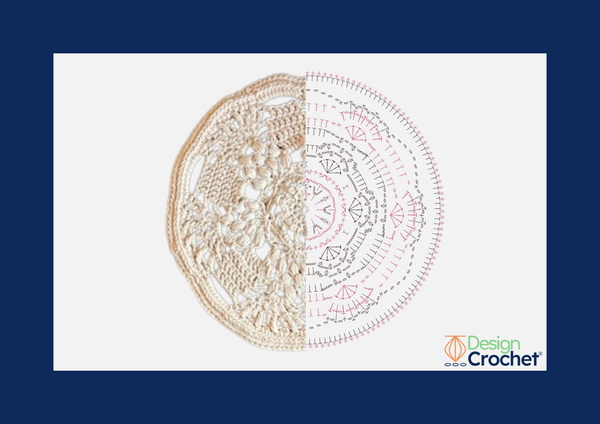
I only had a black-and-white printer. On mosaic, color is information. Without it, the chart was a puzzle I was solving with guesswork. And even if I had printed the pattern in color, I would have had to convert colors on the paper to the yarns I used, and I like to avoid memorizing at all costs.
Worse: the chart and the written row I was on were never in the same place. I kept flipping - text, chart, fabric, text again - trying to force three views to agree. That’s the same cognitive tax I described in the PDF post, just on paper instead of a phone.
Frustration built until I set the project down for days. When I came back, my mode wasn’t “blindly trust row 12.” It was: Okay, I’ll try again. I’ll study it and see if I can figure it out this time.
Eventually things fell into place. The image, the text, and the fabric aligned. The piece looked like what I’d expect the finished cowl to look like. I remember thinking: if this isn’t right, I don’t know what could be.
The click wasn’t magic. It was delayed feedback - I needed several rows on the hook before “right” was something I could see.
This isn’t a beginner problem
If you’ve been crocheting a while, you might assume this kind of wall means you’re “not ready” for mosaic, or cables, or overlay work.
I don’t think that’s it.
Structure-heavy techniques need spatial literacy: where the hook goes in 3D space, how yarn path creates the surface, how this row relates to the rows below it. Many patterns teach sequence (“do this, then this”) without teaching geometry (“this is what the row is building”).
You can be conscientious. You can study. You can return with fresh eyes. And you can still spend an evening following without understanding because the pattern never shows you the row as a system, only as a script.
When words aren’t the right medium
Some confusion is vocabulary - shell, bullion, joined tops - and I’ve written about that already.
But mosaic reminded me of something more physical: hook placement is hard to learn from a paragraph.
“Insert hook between the colorworks” is accurate and still useless if you can’t see what that means in your fabric, on this row, with your yarn in front or behind.
That’s where pictures matter. Not decorative photos of the finished object but diagrams that show where the hook goes, which loop you’re under, which strand you’re catching. The kind of visual that answers the question you’re actually asking at row 9, not on page 2 of a stitch glossary.
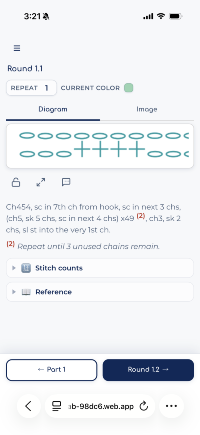
This is also why I care about row-by-row charts aligned with the written instruction - the thing I wished for on the cowl. Not a chart on page 4 and words on page 7. The same row, the same moment, the same decision.
I'm convinced the gap isn't more words, it's better-timed visuals: the right diagram, on the row you're working, in the colors you're using. That's what I've been building toward. A first version is live at patterns.designcrochet.com. Try Chroma Remix Motif if you want to see what row-at-a-time support feels like on a small project.
If you try to understand - and still get stuck
This isn’t a lecture about “just trust the pattern.”
Many makers do what I did: pause, study, come back, try again. The gap isn’t effort. It’s infrastructure - how patterns are formatted, how charts are laid out, whether placement is shown or only described.
When following and understanding stay disconnected, you pay in enjoyment. Crochet stops feeling like flow and starts feeling like research - hunt a tutorial, compare definitions, hope the video matches this designer’s shell.
You deserve feedback closer to the stitch.
What’s missing from most tutorials
Tutorials are good at teaching motions: how to yarn over, how to make a double crochet, how to start a chain.
They’re often weak at the layer between motion and fabric: how to read what you’ve made, how to know if this row is right before the project is six inches long, how to see structure instead of memorizing it.
That missing layer is what we’ll talk about next - why it’s absent, what it looks like when it’s actually taught, and why it matters more than another list of abbreviations.
Following tells you what to do next. Understanding tells you whether you’re still on the map.